The Art, History, and
Technology of DJing
A Research Guide to DJing, Hip-Hop Culture, Music Production, and Digital Creativity
DJing (Disc Jockeying) is more than playing songs. DJ's select, sequence, mix, manipulate, preserve, reinterpret, and transform sound. This guide helps students and researchers study DJing as a serious humanities topic connected to hip-hop history, Black cultural expression, African American music history, music production, copyright, sampling, archives, and digital creativity.
Why This Guide Exists
Many students know DJing through parties, campus events, clubs, radio, social media, and popular culture, but they may not know how to research it academically. This guide connects DJing to credible books, scholarly articles, music databases, digital archives, videos, copyright resources, professional organizations, and search strategies.
A Performance Practice
DJing is a live musical practice involving technique, creativity, and performance. Turntablists treat the turntable and mixer as instruments.
Black Cultural Expression
DJing is deeply rooted in African American and Caribbean music traditions. It is a form of cultural memory, community building, and identity.
A Humanities Topic
DJing intersects with history, archives, ethics, technology, authorship, copyright, and community, making it rich terrain for scholarly inquiry.
How to Use This Guide
Follow these six steps to build a strong research foundation in DJing studies.
Learn the Vocabulary
Start with What Is DJing? to understand key terms such as turntablism, beatmatching, scratching, sampling, remixing, and crate digging.
Build Historical Context
Visit History & Hip-Hop Origins to understand how DJing shaped hip-hop culture from the Bronx to the world.
Center Black Cultural Expression
Use Black Cultural Expression to connect DJing to African American music history, cultural memory, and scholarly research.
Find Scholarly Sources
Use Books, Articles & Databases to locate books, peer-reviewed articles, dissertations, and music reference tools.
Explore Primary Sources
Use Archives, Audio & Video for flyers, recordings, oral histories, documentaries, and archival collections.
Understand Copyright
Review Copyright, Sampling & Fair Use before writing about sampling, remixing, public-domain sound, AI music, or music ownership.
Start With These Sources
Three essential starting points for DJing and hip-hop research.
Cornell Hip Hop Collection
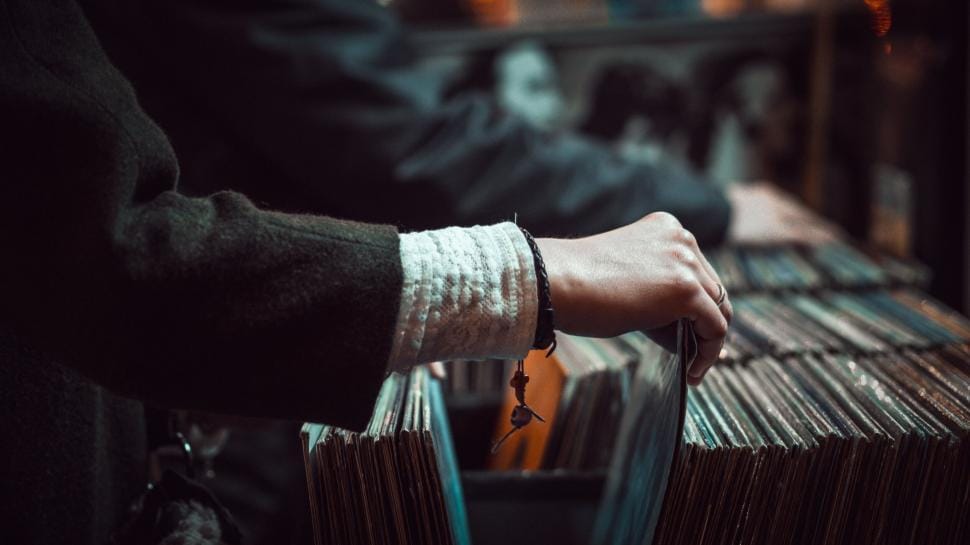
The Cornell Hip Hop Collection preserves more than 250,000 items documenting hip-hop's origins and global spread. It is one of the strongest starting points for students researching early hip-hop, flyers, photographs, recordings, and DJ culture.
Smithsonian Anthology of Hip-Hop and Rap
This Smithsonian resource traces hip-hop's development through recordings, essays, photographs, and historical context. It is useful for students who need both musical examples and scholarly interpretation.
Library of Congress Citizen DJ
Citizen DJ provides free-to-use sounds from Library of Congress collections for remixing and creative exploration. It is useful for studying sampling, public-domain audio, digital creativity, and archival sound.
Explore the Guide
Navigate to any section of this research guide.